
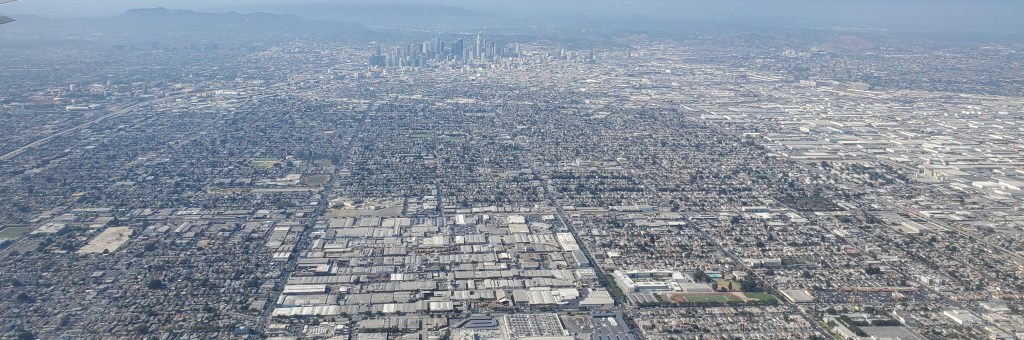
Over 50% of the world lives in an urban area as of 2020, and it is projected that nearly 70% of the world will be living in an urban environment by 2050. The 2020 percentage is skewed by the developed world, but by 2050 large increases in urbanization will occur for the developing and least developed countries.
The rate of urbanization for the developing and least developed countries is much quicker than occurred for currently developed countries, and this will place a lot of stress on the infrastructure of countries, and problems of poverty, pollution, crime, class struggle, and transportation will need to be addressed.
Healthcare, Poverty, and Class Struggle
Urban areas, historically, generated higher rates of mortality due to a lack of sanitation and medicine. Modern cities in developed countries have flipped that statistic; urban areas now have lower mortality rates and better healthcare opportunities than rural places. One concern for developing countries is that their rapid urbanization will not see the same rate of progression for a reduction in mortality.
Highly urbanized areas in developed and least developed countries still suffer from a lack of access to satisfactory healthcare, lack of infrastructure for sanitation, inadequate waste and trash removal, issues of water treatment and access to clean drinking water, and insufficient energy generation. Together these issues work to intensify class issues, with poor people typically living in urban areas with inadequate living conditions. Poverty and lack of access to lifestyle improvements, such as well-paying jobs, education to obtain well-paying jobs, reliable transportation to employment, and healthcare, ensconce people within their class, thereby making class transitions very difficult.
Environmental Issues
Many industrial centers, which generate high levels of environmental pollutants, are located near impoverished residents.
For example, a densely populated slum in Addis Ababa, the most populated city in Ethiopia at over 2.7 million people, was located right at the edge of an overflowing landfill. In 2017, refuse from the landfill destabilized, resulting in a landslide into the slum, killing over a hundred people. Rapid urbanization usually involves high levels of environmental contamination, especially when time is not taken for proper infrastructure to be developed along with enforceable government policies and shifts in cultural values.
Crime
Crime is also high in rapidly urbanized areas with low quality of living. Although urban areas in developed countries can be associated with higher rates of crime, the crime is usually localized to areas with high poverty, food deserts and other lacking infrastructure, and marginalized societies. These problems, along with the many others mentioned above, will only be exacerbated in rapidly urbanized developing countries.
Rate of Urbanization
With currently developed countries, there was a period of intense urbanization, namely the industrial revolution, but society was able to match the infrastructure changes and additional demands for a growing population as their economy and political power increased. This is because the period of intense urbanization occurred much more slowly than the rapid urbanization developing countries face today.
For example, urbanization in the United Kingdom was relatively slow between 1700 and 1820, and advanced urbanization took another nearly 100 years, bringing the overall length of the urbanization process to about 200 years. In comparison, developing countries today are rapidly urbanizing within a quarter to half of that time.
The populations in these countries were also considerably smaller than in many of the developing countries that are presently or will soon be undergoing rapid urbanization. Too rapid of urbanization does not provide sufficient time for all of the other facets of society, from physical to social infrastructure, to accordingly develop, leaving the developing and least developed countries in a difficult future situation.
Want to know more?
Newbold, K. B. (2021). Chapter 1: World Population. In Population geography: Tools and issues (pp. 155–184). essay, Rowman & Littlefield.
Newbold, K. B. (2021). Chapter 9: Cities. In Population geography: Tools and issues (pp. 155–184). essay, Rowman & Littlefield.
Gottdiener, M., Hutchison, R., & Ryan, M. T. (2019). Chapter 1. In The New Urban Sociology (6th Edition). essay, Routledge.

 Kellie Gadeken